Green Coding: Engineering a Sustainable Digital Future
Why energy-efficient software is becoming a competitive advantage — not just an ethical choice.
The exponential rise of AI workloads, cloud computing, and real-time systems has fundamentally changed the energy footprint of software.
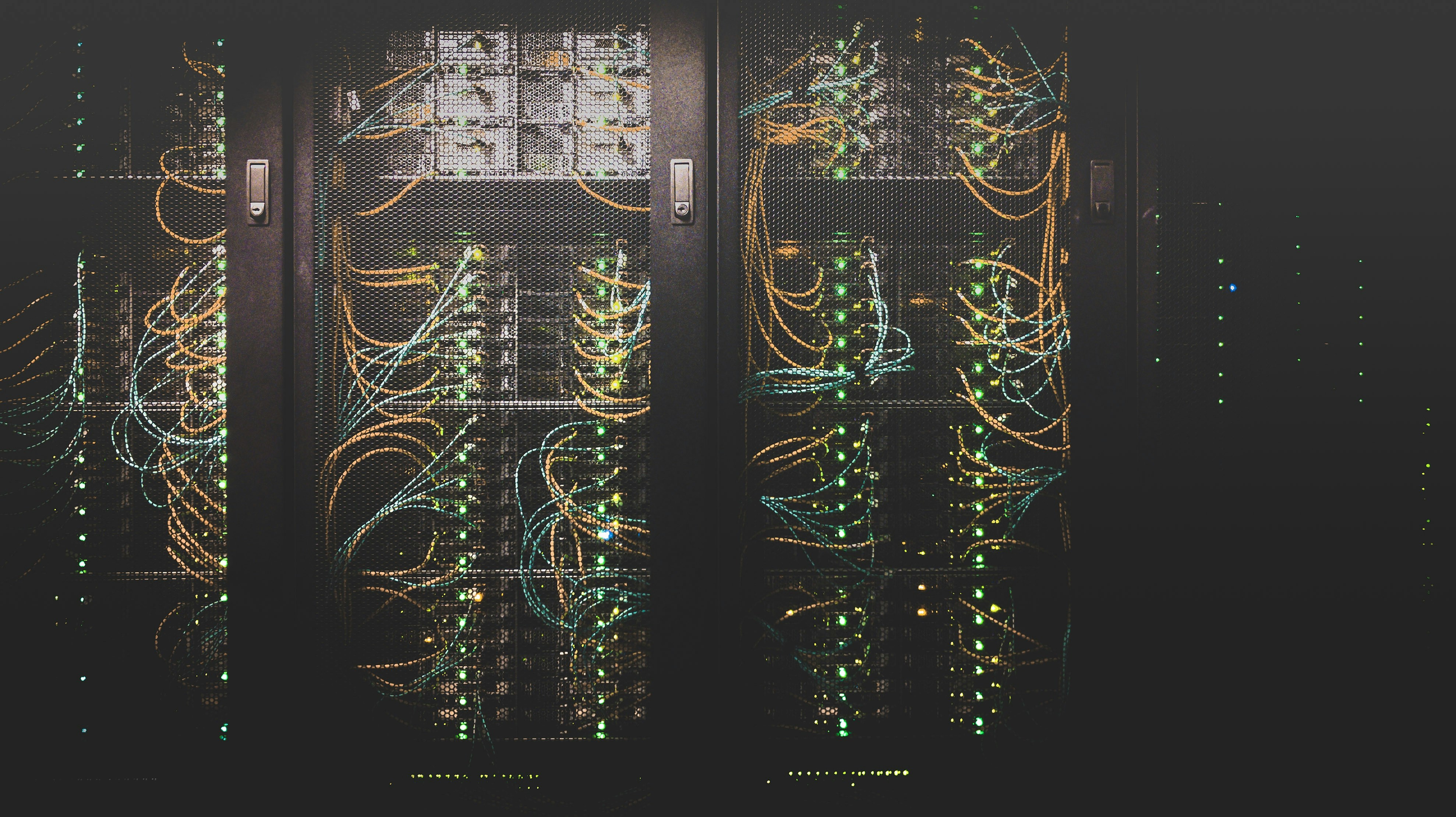
Modern data centers now consume enormous amounts of electricity, with projections crossing 1,000 TWh annually this decade — driven largely by AI training and inference.
Key Insight:
Every API call, database query, and inefficient loop carries a carbon cost.
Every API call, database query, and inefficient loop carries a carbon cost.
Green Coding is emerging as a new engineering discipline — focused on reducing environmental impact through efficient architecture and execution.
The "Lean Code" Philosophy
Green coding is not about using less technology — it's about making efficiency a first-class engineering metric.
High-level abstractions often hide inefficiencies. At scale, these translate into:
- Higher CPU usage
- Increased memory consumption
- More cooling requirements
- Higher infrastructure costs

Core Strategies for Green Software
| Strategy | Technical Impact | Business Value |
|---|---|---|
| Data Minimization | Less data transfer & storage | Lower cloud costs |
| Carbon-Aware Scheduling | Aligns compute with renewable energy | Compliance & sustainability goals |
| Efficient Algorithms | Fewer CPU cycles | Better performance |
| Edge Computing | Reduced data travel | Faster UX |
The AI Factor
AI is both a challenge and an opportunity:
- Large models consume high energy
- Inference at scale increases footprint
- But AI can optimize systems and reduce waste
Emerging Trend:
AI optimizing infrastructure for energy efficiency.
AI optimizing infrastructure for energy efficiency.
Why Developers Must Care
- Cost optimization
- Regulatory readiness
- Performance improvements
New Principle:
The best code is not just scalable — it is sustainable.
The best code is not just scalable — it is sustainable.
Final Thought
"Every line of code is a design decision — and every decision has an environmental impact."
The future of software belongs to developers who optimize not just for scale — but for sustainability.