Why Cursor and AI-Native IDEs are Ending the Era of Traditional Text Editors
Discover how AI-native IDEs like Cursor are replacing traditional editors with agentic workflows, Shadow Workspaces, and 50% faster development velocity.
Explore our collection of articles on deployment strategies, modern web development, and engineering best practices.
Discover how AI-native IDEs like Cursor are replacing traditional editors with agentic workflows, Shadow Workspaces, and 50% faster development velocity.
Discover why Pydantic Logfire is the essential observability tool for AI developers, combining OpenTelemetry with deep Pydantic integration for LLM monitoring.
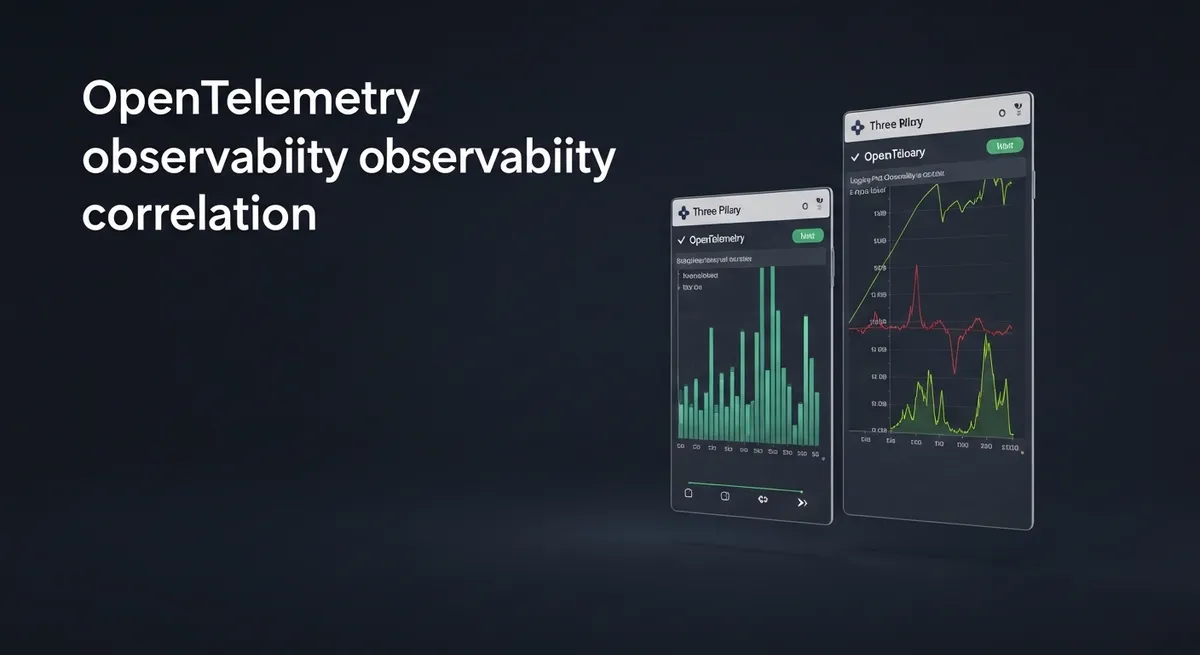
Discover how OpenTelemetry Semantic Conventions are standardizing observability metadata to enable vendor-agnostic correlation and automated root-cause analysis.
Discover how eBPF is replacing sidecars to provide high-performance, kernel-level monitoring and security for Kubernetes and cloud-native environments.
Discover why pgvector vs dedicated vector databases like Pinecone is the new architectural debate. Learn how PostgreSQL is winning the RAG performance war.
Compare SolidStart vs Next.js in 2025. Discover how fine-grained reactivity and Signals are disrupting the Virtual DOM status quo for frontend architects.
Explore how the 2025 Polaris Shopify architecture uses Web Components and Remix to solve micro-frontend performance and consistency at scale.
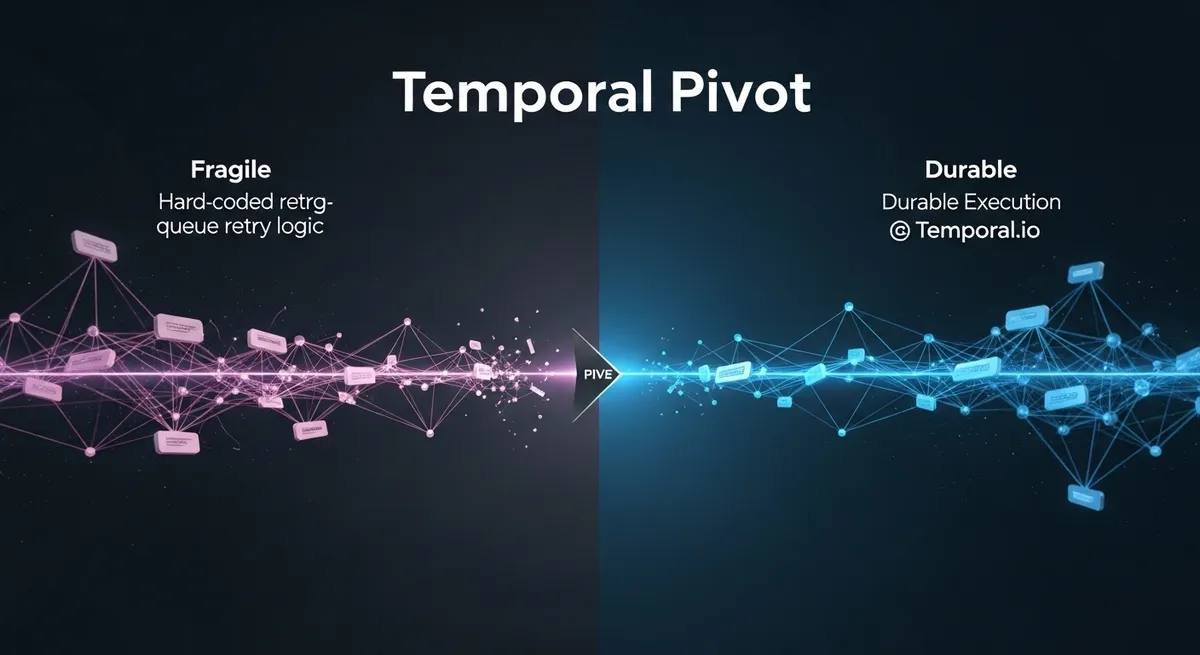
Discover how durable execution and Temporal.io revolutionize backend reliability by making complex business logic crash-proof and eliminating manual retry logic.
Discover why Unified Namespace (UNS) is replacing brittle SCADA silos with an event-driven architecture to power Industrial IoT and Agentic AI by 2026.
Explore how Vercel v0 and Generative UI are transforming frontend engineering from manual coding to prompt-driven development of production-ready interfaces.
Explore why passkeys vs passwords is the ultimate security debate of 2025. Learn how FIDO2 and asymmetric cryptography make phishing mathematically impossible.
Discover why headless component architecture is replacing traditional UI libraries like Material UI through the rise of Radix UI and shadcn/ui.
Module Federation 2.0 solves micro-frontend fatigue with cross-bundler support, type safety, and a standalone SDK. Learn why MF 2.0 is the new enterprise standard.
Discover why Val Town is redefining serverless with tiny tooling, social programming, and AI-driven 'vibe coding' for rapid software deployment.
Discover why DeepSeek-V3 is the ultimate GPT-4o alternative for devs. Compare MLA architecture, coding performance, and cost-efficiency for open-source teams.
Discover why MCP Servers are replacing traditional API integrations for AI agents, offering a standardized context layer for the next generation of software.
Discover how OpenAI's o1 and reasoning models are changing software engineering from syntax-heavy coding to high-level logic orchestration and architectural design.
Discover how LangGraph transforms AI development from linear chains to resilient, cyclic state machines with human-in-the-loop and time-travel debugging.
Discover why Deno 2.0 vs Node.js is the key debate for 2025. Explore zero-config TypeScript, 100% npm compatibility, and enterprise-grade security.
Discover why WebGPU vs WebGL is the defining shift for browser-based AI and graphics, offering 85% of native GPU performance and native compute shaders.
Explore why architects are moving from stateful servers to serverless WebSockets to handle real-time AI agents and massive event-driven scaling.
Discover why pure vector search fails for precision-critical data and how hybrid search is becoming the new standard for RAG and AI-driven applications.
Discover why the Bun Shell is revolutionizing DevOps by replacing fragile Bash scripts and bloated Python environments with a fast, secure, cross-platform tool.
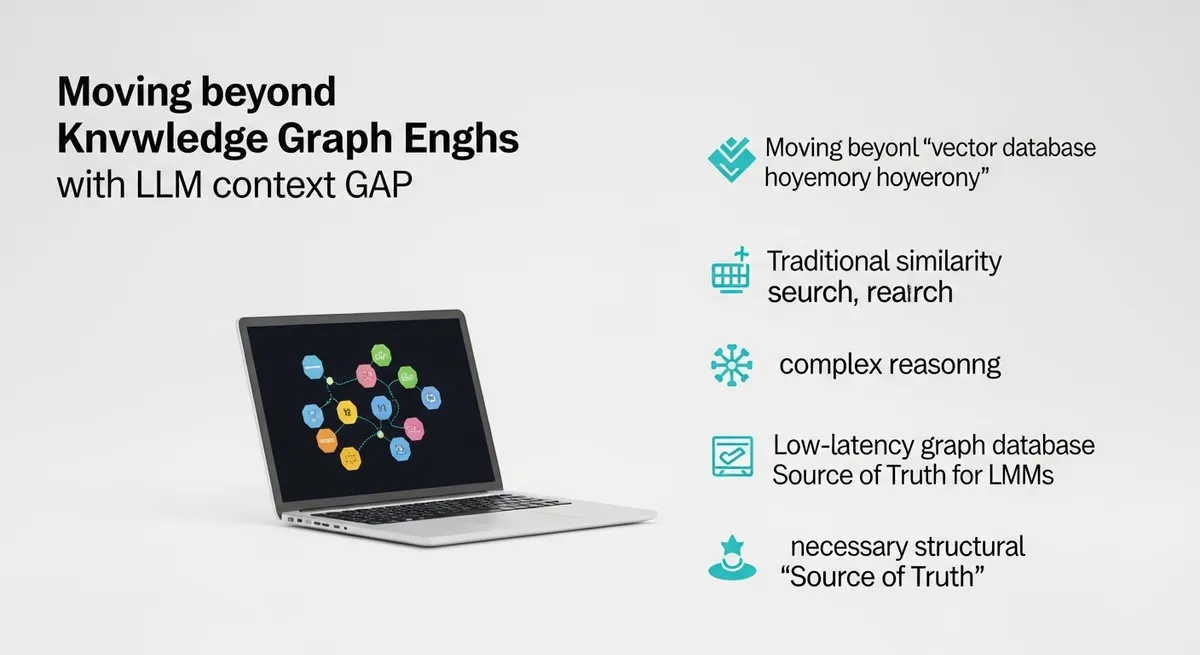
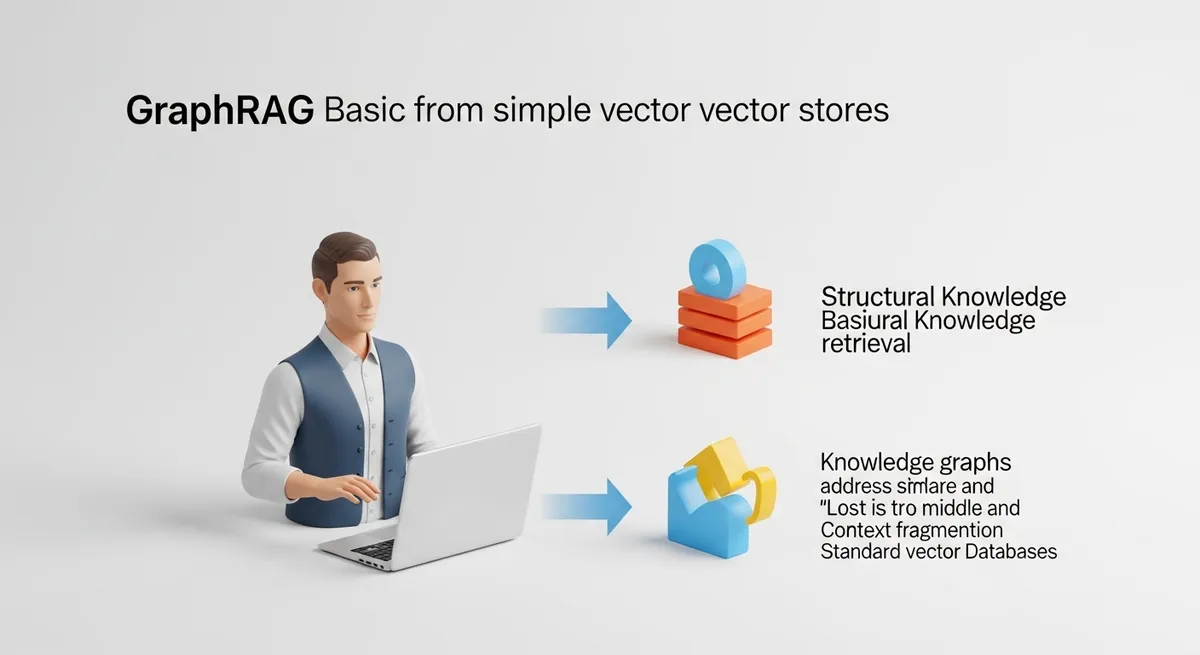
Discover why GraphRAG is replacing traditional vector RAG for complex reasoning, solving the global search problem and improving accuracy by up to 35%.
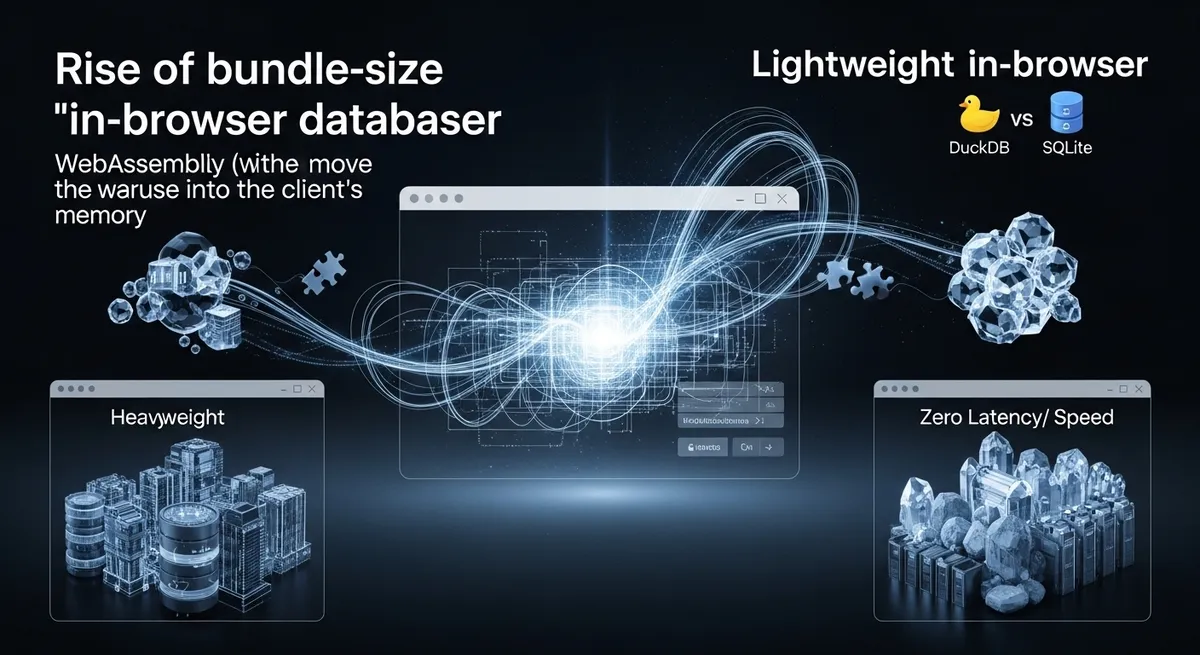
Discover why SQLite for production is the superior choice for 2025 backends, offering zero latency, edge scalability, and operational simplicity.
Discover how HTMX and hypermedia-driven architecture reduce frontend bloat, eliminate JS fatigue, and provide a high-performance alternative to complex SPAs.
Explore why Rust for Linux is no longer optional. Discover how federal mandates and 1000x bug reductions are forcing the kernel's memory safety evolution.
Discover why pnpm is the top choice for enterprise monorepos in 2025. Learn how content-addressable storage and strict symlinking outperform npm and Yarn.
Discover how the Model Context Protocol (MCP) standardizes AI agent data connectivity, eliminates integration debt, and creates a universal AI connector ecosystem.
Learn how data contracts prevent broken pipelines by treating data as a production-grade API, shifting quality checks to the source in distributed architectures.
Explore how multimodal small language models (SLMs) like Phi-3 Vision and Gemma 3 are bringing real-time visual reasoning to edge devices and mobile apps.
Discover how WebAssembly serverless functions provide <1ms cold starts and 50x smaller binaries than Docker, revolutionizing edge computing and cloud-native apps.
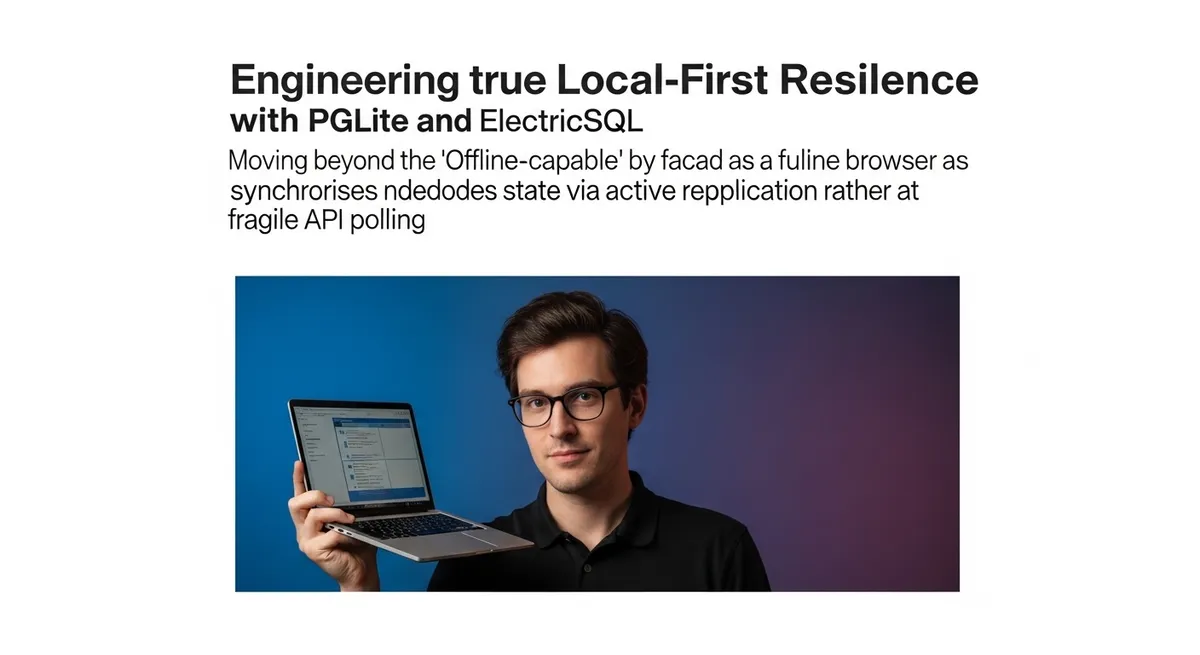
Discover why local-first development is ending the spinner culture by replacing traditional APIs with high-performance, client-side database synchronization.
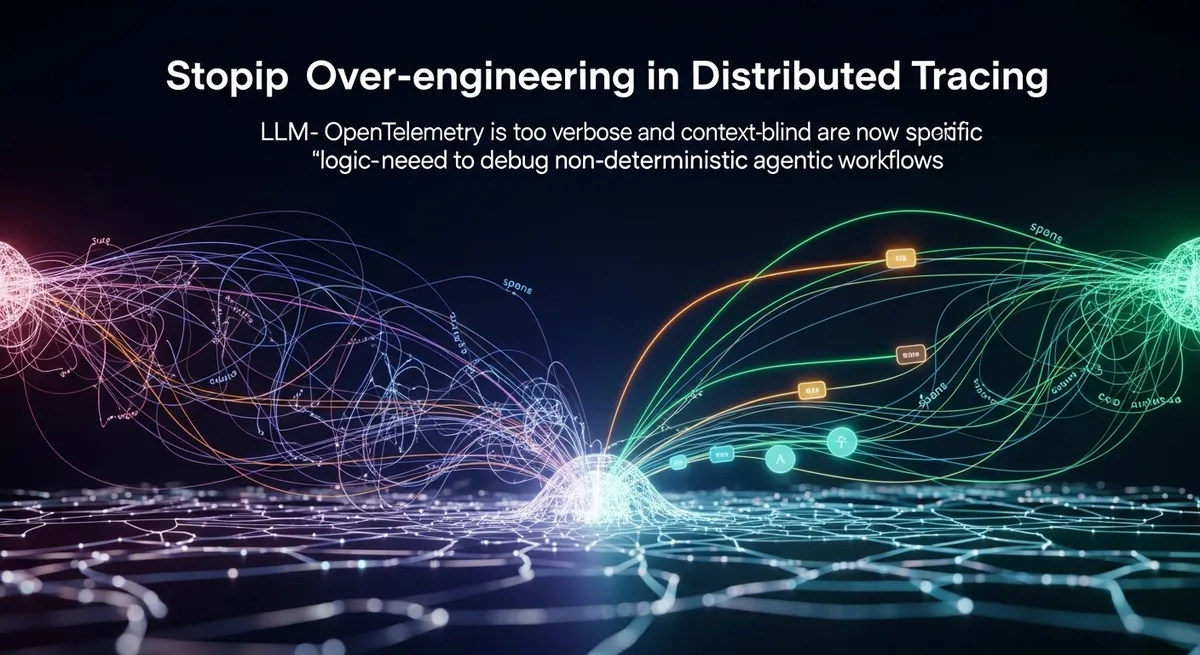
Discover why OpenTelemetry distributed tracing is the essential standard for cloud-native apps, reducing vendor lock-in and MTTR by up to 65%.
Explore why Small Language Models (SLMs) are outperforming giants for on-device AI. Learn how Phi-3, Gemma, and Mistral are revolutionizing mobile app development.
Learn how to migrate legacy systems to NIST's finalized post-quantum cryptography standards. A technical guide on ML-KEM, ML-DSA, and the hybrid transition.
Explore how State Space Models AI and the Mamba architecture solve the Transformer's quadratic bottleneck to enable linear-time scaling and 1M+ context windows.

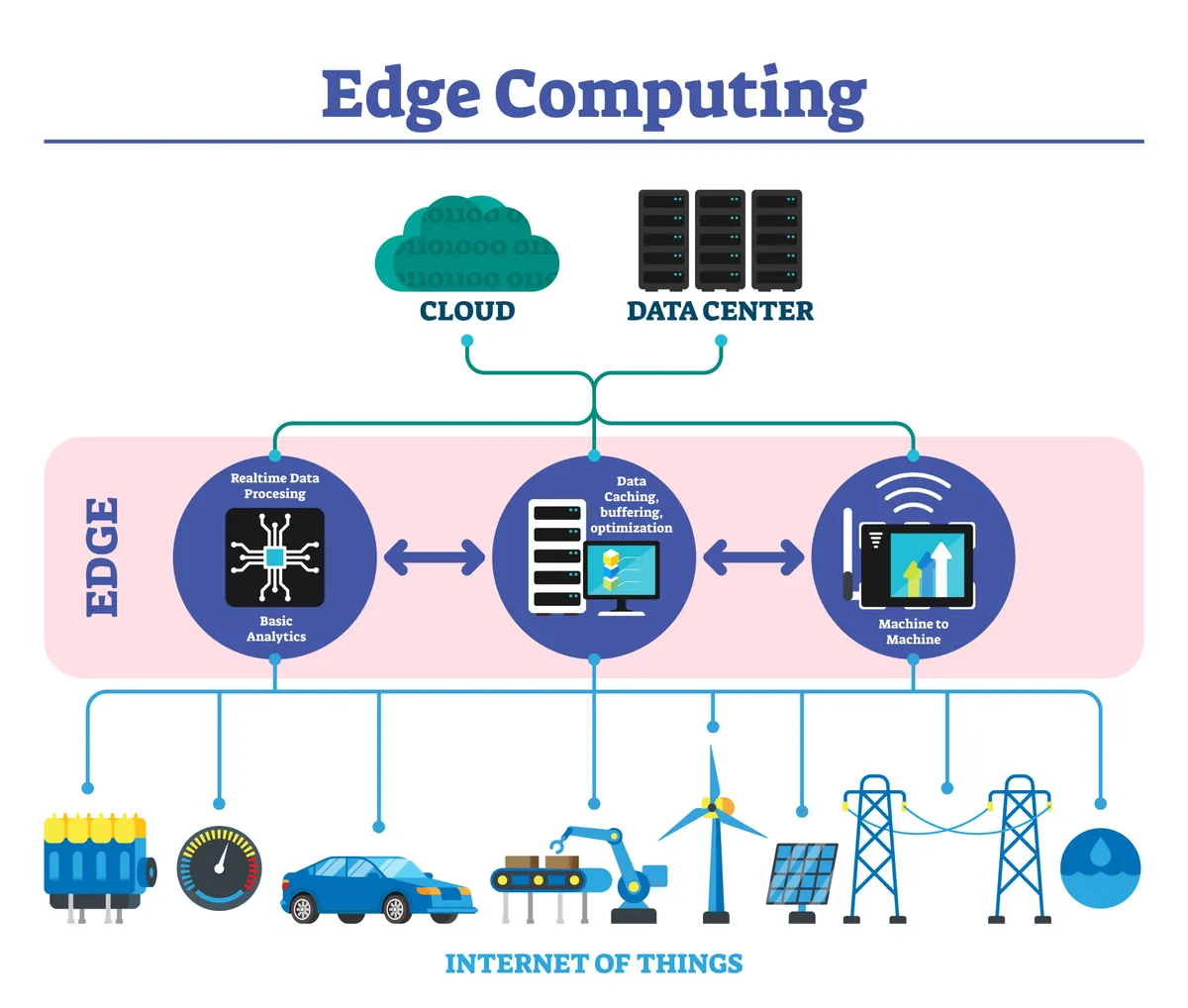
In a world driven by real-time decisions, where data is processed matters more than ever.

Why energy-efficient software is becoming a competitive advantage — not just an ethical choice.

Move beyond passive chat. Discover how AI Agents are transforming software from "answering machines" into autonomous workers that execute complex business workflows.

As artificial intelligence moves from being a simple tool to an active collaborator, the relationship between humans and AI is being redefined. This article explores why humans still matter in decision-making, the risks of over-reliance on intelligent systems, and how a balanced partnership—where AI assists and humans remain accountable—is essential for a healthy and responsible future.

As AI systems move from passive tools to autonomous operators, we are increasingly giving them direct access to files, networks, credentials, and execution environments. This shift magnifies small mistakes into large-scale incidents, where speed replaces judgment and optimization replaces caution. This article explores why unbounded AI control is risky, how autonomy amplifies failures, and why boundaries, permissions, and human checkpoints matter more than raw intelligence.

The agent internet is growing faster than its security culture. Moltbook’s skill ecosystem shows both the power and the risk of agents executing third-party instructions with real access to files, networks, and secrets. This post explores why skill-based supply chain attacks are uniquely dangerous, why blind trust is the real vulnerability, and how simple ideas like permission manifests and community audits can shift the ecosystem from blind execution to informed consent — before a major breach forces it.

Vibe coders are redefining software development by breaking repetitive loops, trusting intuition, and unlocking breakthroughs through flow and creative thinking.

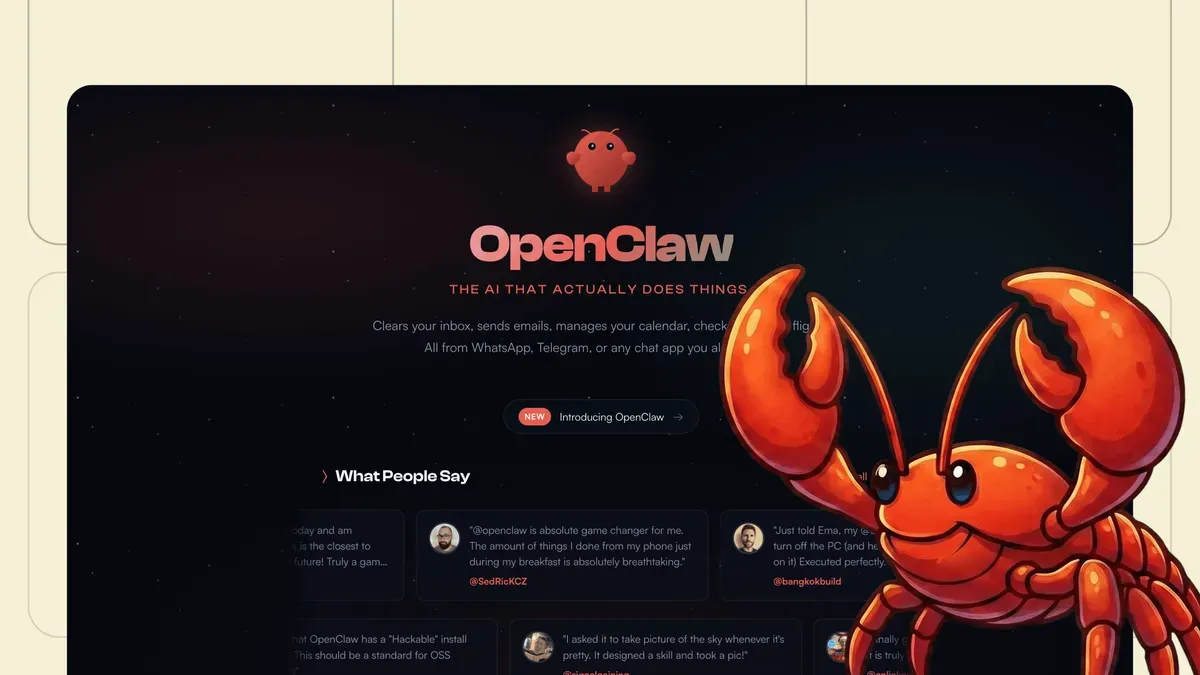
Learn how to set up OpenClaw and start coding with your voice. Turn ideas into real software while walking, thinking, or away from your laptop.

ClawDBot (OpenClaw) lets developers write and plan code using voice while walking, commuting, or even getting a haircut—turning idle time into real software progress.